
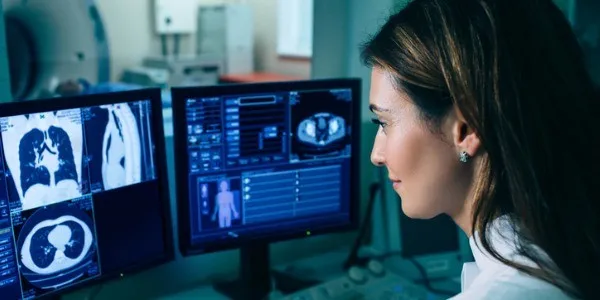
The healthcare industry continues to evolve rapidly, and radiation oncology clinics are adapting to new operational demands, patient expectations, and technological advancements. In 2026, one of the biggest shifts happening across cancer treatment centers is the growing reliance on outsourced dosimetry support. Clinics are increasingly partnering with remote planning specialists to improve efficiency, reduce staffing pressure, and maintain high treatment planning standards.
As patient volumes continue to rise and experienced professionals remain in high demand, healthcare providers are turning toward flexible planning support models that help them maintain continuity without compromising patient care. This is where a certified medical dosimetrist becomes an essential part of the treatment workflow.
From small independent oncology practices to large hospital systems, outsourced medical dosimetrist services are helping clinics streamline operations while ensuring treatment plans remain accurate, timely, and clinically compliant.
The Growing Demand for Radiation Oncology Planning Support
Radiation oncology departments are under increasing pressure to manage more complex cases while meeting strict treatment timelines. Advanced treatment techniques such as IMRT, VMAT, SBRT, and adaptive radiation therapy require highly detailed planning and coordination.
At the same time, many clinics are facing workforce shortages and difficulty recruiting experienced dosimetrists locally. Hiring full-time in-house staff can also be expensive, especially for clinics with fluctuating patient volumes.
Outsourcing gives clinics access to a certified medical dosimetrist without the limitations of geographic hiring. Instead of delaying treatments or overloading internal teams, clinics can work with remote professionals who provide dedicated planning assistance exactly when needed.
This flexible support model allows oncology centers to focus more on patient care while ensuring treatment planning workflows continue running smoothly.
Staffing Challenges Are Driving Outsourcing Decisions
One of the primary reasons clinics are outsourcing in 2026 is the ongoing staffing challenge within radiation oncology.
Finding experienced dosimetrists has become increasingly difficult in many regions. Some clinics face months-long hiring processes, while others struggle with staff burnout due to growing workloads and limited team capacity.
Remote planning partnerships help solve several operational problems at once:
- Reduced workload on in-house teams
- Faster turnaround times for treatment plans
- Coverage during vacations, sick leave, or staff shortages
- Access to specialized planning expertise
- Improved workflow consistency
- Lower recruitment and training costs
Rather than depending entirely on local hiring, clinics now have the option to scale support according to their actual workload.
This flexibility is especially valuable for clinics handling seasonal patient increases or unexpected staffing gaps.
Faster Treatment Planning Turnaround Times
Timely treatment planning is critical in radiation oncology. Delays in plan creation can affect scheduling, patient confidence, and overall treatment timelines.
Outsourced dosimetry support helps clinics maintain faster turnaround times by expanding planning capacity without increasing permanent staffing.
When clinics have access to remote planning professionals, physicians and therapists can continue moving cases forward efficiently. Plans can be reviewed, revised, and finalized more quickly, especially during high-volume periods.
For many oncology centers, outsourcing has become less about replacing internal staff and more about strengthening workflow continuity.
A remote dosimetry team can assist with:
- Daily treatment planning overflow
- Urgent or same-day planning support
- Weekend coverage
- Adaptive replanning
- Quality assurance collaboration
- Backup planning during emergencies
This additional support helps clinics maintain operational stability while reducing delays that can impact patient care.
Cost Efficiency Without Sacrificing Quality
Managing operational costs remains a major concern for healthcare facilities in 2026. Recruiting, onboarding, and retaining full-time specialists can place significant financial strain on oncology departments.
Outsourced medical dosimetrist services offer a more scalable solution.
Instead of committing to fixed staffing expenses, clinics can adjust planning support based on patient demand. This creates a more efficient allocation of resources while maintaining high clinical standards.
Outsourcing can help reduce expenses associated with:
- Full-time salaries and benefits
- Recruitment fees
- Training costs
- Overtime pay
- Workflow disruptions caused by vacancies
At the same time, clinics still receive professional treatment planning support from experienced dosimetrists.
For many healthcare organizations, this balance between operational efficiency and clinical quality is one of the biggest advantages of outsourcing.
Technology Has Made Remote Collaboration Easier
The widespread adoption of secure cloud-based systems and advanced oncology software has made remote collaboration significantly more practical than it was just a few years ago.
In 2026, oncology clinics can securely share patient data, communicate with planning teams, and review treatment plans through integrated digital workflows.
This technological advancement has removed many of the barriers that once limited remote planning support.
Today, a certified medical dosimetrist working remotely can collaborate closely with:
- Radiation oncologists
- Medical physicists
- Radiation therapists
- Clinical coordinators
- Oncology administrators
Secure communication tools and encrypted systems allow remote teams to remain fully aligned with clinic protocols and physician preferences.
As a result, outsourcing no longer feels disconnected from the clinical environment. Instead, remote dosimetrists often function as an extension of the internal oncology team.
Improved Work-Life Balance for Internal Teams
Burnout remains a major concern in healthcare, especially in specialized departments like radiation oncology.
When in-house dosimetry teams are consistently overloaded, clinics may experience increased stress, reduced productivity, and higher staff turnover.
Outsourcing can help distribute workloads more evenly and reduce pressure on internal teams.
By partnering with remote planning professionals, clinics can create healthier scheduling structures while maintaining treatment efficiency. This support helps existing staff focus on patient-centered tasks instead of constantly managing overwhelming plan volumes.
Many clinics now view outsourced planning support as part of a long-term workforce sustainability strategy rather than just a temporary staffing solution.
Final Thoughts
The shift toward outsourced dosimetry services in 2026 reflects a broader transformation happening across healthcare. Clinics are seeking smarter, more flexible ways to manage workloads, maintain treatment quality, and support growing patient demands.
Partnering with a certified medical dosimetrist remotely allows oncology centers to access specialized expertise, improve turnaround times, reduce staffing pressure, and maintain efficient treatment planning operations.
As radiation oncology becomes increasingly complex, outsourced medical dosimetrist services are no longer viewed as an alternative solution. They are becoming an essential part of modern clinical workflow management.
For clinics looking to strengthen planning capacity while maintaining high standards of care, remote dosimetry support offers a practical and scalable path forward.